animalfunfacts.net - The Animal Encyclopedia for Kids

ADVERTISEMENT

Spring Dor Beetle

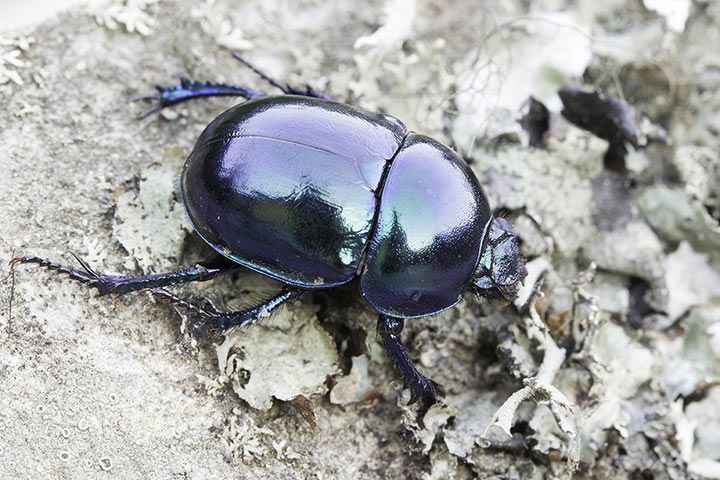
Spring Dor Beetle Facts Spring Dor Beetle - Photo: Florian Andronache/Shutterstock

Spring Dor Beetle Facts

Size 0.5-0.8 inches (12-20 mm)
Speed Unknown
Weight Unknown
Lifespan 1-2 years
Food Fresh dung
Predators Birds, snakes
Habitat Europe
Order Beetles
Suborder Polyphaga
Family Earth-boring dung beetles
Scientific name Trypocopris vernalis
Characteristics Dung beetle, is active early in the year, engages in brood care

Main Characteristics

The spring dumbledor or spring dor beetle, is a small beetle belonging to the dung beetle family. It inhabits forests and particularly enjoys warm, sandy soils. This beetle is one of the most common dung beetles in Europe and is also among the smallest.


ADVERTISEMENT - ARTICLE CONTINUES BELOW

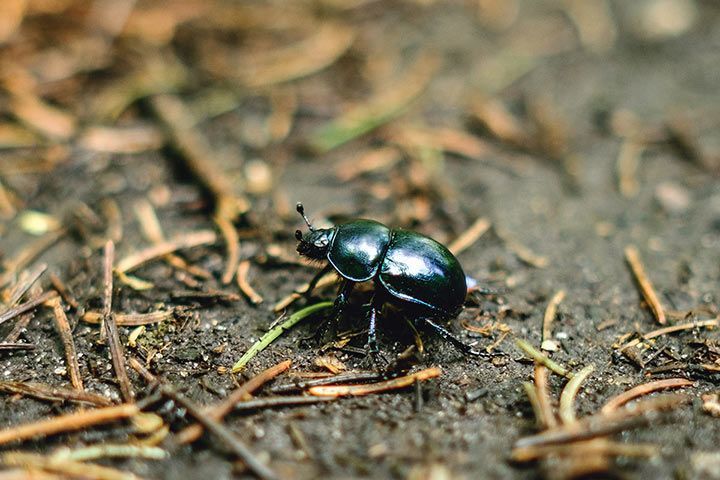
Spring Dor Beetle Facts Spring Dor Beetle - Photo: Himilsbah/Shutterstock

Name

Spring dor beetles emerge with the first rays of sunshine in March, which is how they got their name. However, they are most frequently observed between May and July. Their numbers begin to decline in August, and by October, they are no longer active. Among all dung beetles, only the bull beetle is active earlier than the spring dung beetle.

Distribution and Habitat

Spring dumbledor beetles are primarily found in Central Europe, with some presence in Northern and Southern Europe. Their preferred habitat includes open forests, and they are most commonly seen in coniferous forests. They also favor loose soils with fine-grained sand.

Spring Dor Beetle Habitat Spring Dor Beetle Habitat - Illustration

Lifestyle

Spring dumbledors are solitary creatures. They are active during the day and spend most of their time searching for fresh animal droppings. They are at their most active when the weather is warm and the sun shines on the ground.


ADVERTISEMENT - ARTICLE CONTINUES BELOW

Spring Dor Beetle Anatomy and Appearance Spring Dor Beetle Anatomy and Appearance - Photo: AnRo0002 [CC0 1.0], via Wikimedia Commons

Anatomy and Appearance

Size and Weight

Spring dumbledor beetles measure between 0.4-0.8 inches (12-20 mm) in length. The common dung beetle and the minotaur beetle are nearly twice their size.

Shell

Unlike other dung beetles, the grooves on the shell of the spring dumbledor are less pronounced. Its surface has a metallic sheen, typically in shades of blue, green, or bluish-black. On the North Sea islands, you can even find dark purple spring dung beetles. They have a unique name there: Trypocopris vernalis insularis. 'Insula' is Latin for island.

Legs

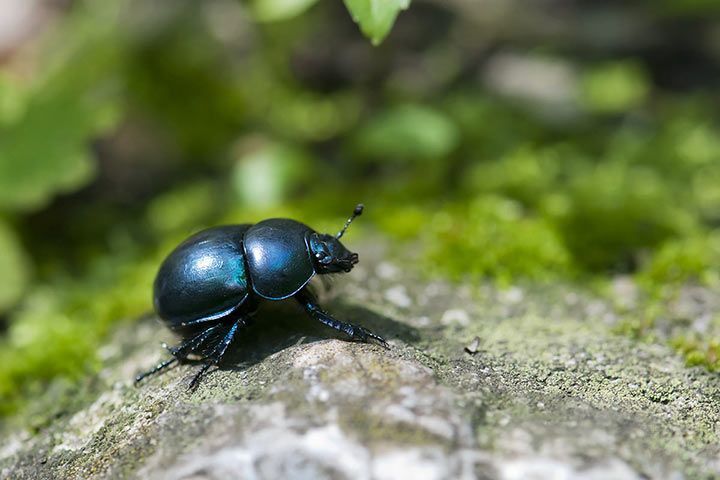
The legs of the spring dumbledor appear to be 'feathered' - similar to a bird. Of course, they aren't real feathers. They are fine bristles that are longer and denser in the spring dung beetle compared to other dung beetles.


ADVERTISEMENT - ARTICLE CONTINUES BELOW

Behavior

Starting in October, adult spring dumbledors hibernate underground. They burrow 4-12 inches (10-30 cm) deep and wait in a small resting chamber until spring arrives. Once the soil temperature reaches 50-54 degrees Fahrenheit (10-12 degrees Celsius), they awaken from their hibernation and emerge to the surface.

Spring Dor Beetle Facts Spring Dor Beetle - Photo: PeterVrabel/Shutterstock

Senses and Abilities

Sense of Smell

Spring dumbledors possess a keen sense of smell, which they use to locate fresh animal droppings.

Sense of Touch

Spring dumbledors feel the texture of the soil and their food through the bristles on their legs.

Life Expectancy

Spring dumbledors typically live for 1-2 years. Most of their life is spent as larvae in the ground for about 10 months. Once they grow sufficiently, they spend several weeks to months as pupae. Above ground, they live for approximately 3-6 months.

Enemies and Threats

Blackbirds, ravens, crows, starlings, woodpeckers, hedgehogs, badgers, and wild boars are just a few of the many enemies of the spring dumbledor!

Human Impact

Farm and domestic animals often receive medications, including dewormers. These are excreted with their droppings, which the beetle parents collect for their larvae. Unfortunately, this droppings are highly toxic to them and can be fatal. Another issue is that many farm animals are kept in stalls year-round, resulting in less dung overall, which means insufficient food.

Importance for the Ecosystem

The spring dor beetle is a small hero of nature. It feeds on animal droppings, helping to break down organic material. By creating tunnels for its offspring, it also aerates the soil and enriches it with nutrients.

Dor Beetles - Best Time to Spot Them Dor Beetles - Best Time to Spot Them - Illustration

Reproduction

Spring dung beetles are among the few insects that engage in parental care. They collaboratively dig a tunnel with a brood chamber and several side passages. In the brood chamber, they place a dung ball containing an egg, while the side passages are filled with fresh dung as a food supply. The tunnel is eventually sealed by the parents to keep the dung moist and prevent parasites from entering. After 1-2 weeks, a larva hatches from the egg. It feeds on the stored supplies, pupates, and then emerges as a beetle. This entire process takes about 10 months.

The Spring Dor Beetle Is Related To:

  • Bessbug
  • Common Dor Beetle
  • Forest Dung Beetle
  • Hide Beetle
  • Minotaur Beetle
  • Scarab Beetle

Animals in the Same Biome:


Sources:

  • Anoplotrupes stercorosus (Scr.) and Trypocopris vernalis (L.) (Coleoptera: Geotrupidae) visiting exposed pig carrion in forests of Central Europe: Seasonality, habitat preferences and influence of smell of decay on their abundances (https://www.dungbeetles.com.au)
  • Habitat selection by two species of dung beetle, Anoplotrupes stercorosus (Scriba) and Trypocopris vernalis (L.) (Coleoptera: Geotrupidae), changes with stand age in a fresh pine forest (https://open.icm.edu.pl)
  • Seasonality and habitat preferences of dung beetles (Coleoptera: Geotrupidae) attracted to moose (Alces alces) dung (https://www.ibles.pl)
  • Biogeographical patterns of genetic differentiation in dung beetles of the genus Trypocopris (Coleoptera, Geotrupidae) inferred from mtDNA and AFLP analyses (https://cir.nii.ac.jp)

ADVERTISEMENT


Most Read Insect and Arachnid Fact Sheets

See all topics on animalfunfacts.net: