Camel or Dromedary - What’s the Difference?
Page 1 of 4
It’s not hard to tell the difference between a camel and a dromedary. We’ll show you how!
The two animals are often confused, mostly when it comes to: Which animal has how many humps?
Yes, the number of humps can help to tell these animals apart but alongside camels and dromedaries, there are also alpacas, llamas, guanacos and vicuñas. Scientifically, they are all part of the camel family.
Over the following pages, you’ll find large images and a few rules of thumb to work out which is which. Finally, there’ll be a clear summary.
Find Out Here: Camel or Dromedary? 
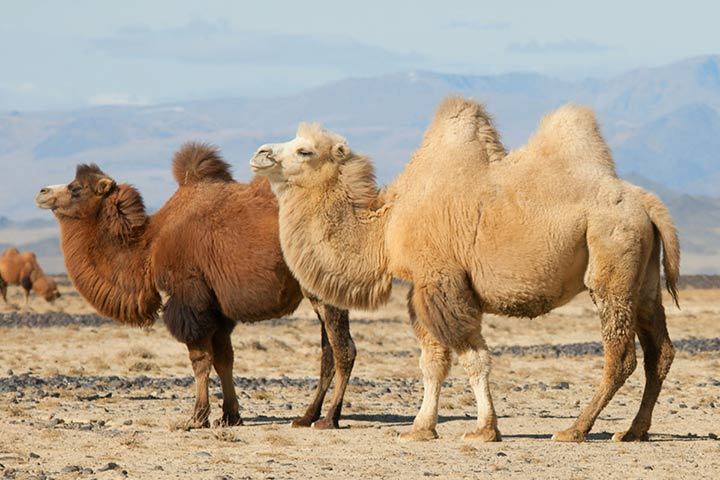 Bactrian Camel - Photo: aleksandr hunta/Shutterstock
- Table of Contents
- 0. Introduction
- 1. Number of Humps
- 2. What Are Llamas, Alpacas, Guanacos and Vicuñas?
- 3. Summary With All Differences