Stick Insect
Stick Insect Pet Profile
| Size | 3-4 inches (8-11 cm) |
| Lifespan | 1-2 years |
| Active | During the night |
| Food | Bramble leaves, oak leaves and other leaves |
| How to keep them | Terrarium |
| Number of animals | At least two animals |
| Scientific name | Phasmatodea |
| Origin | Asia, Africa, Europe, North America |
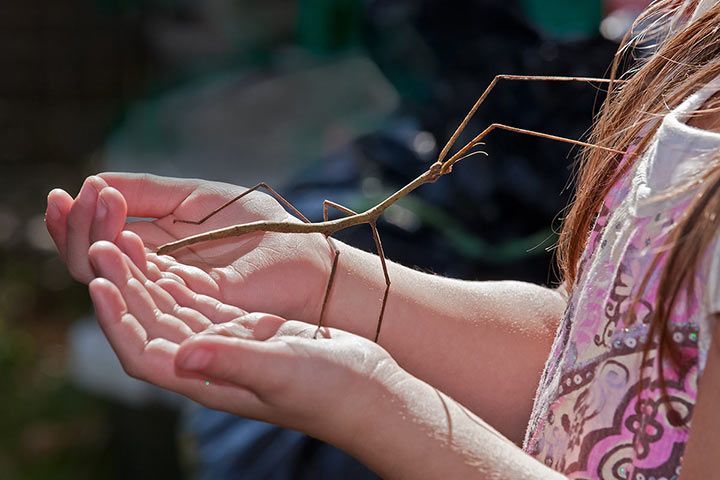
| Characteristics | Insects that resemble thin twigs or branches |
Stick Insect Characteristics
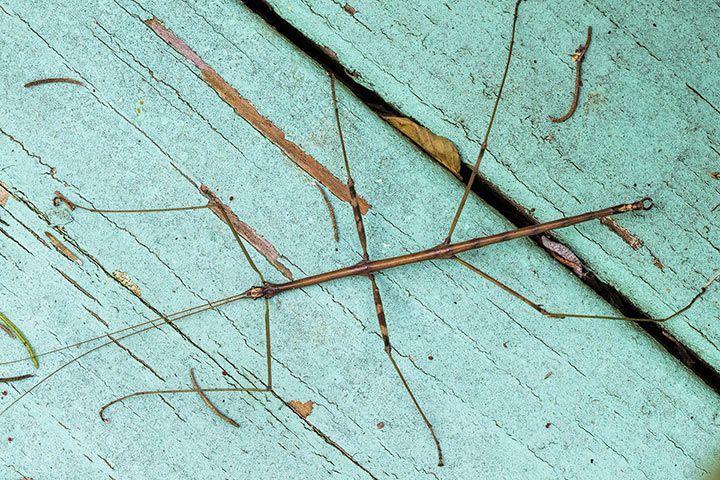
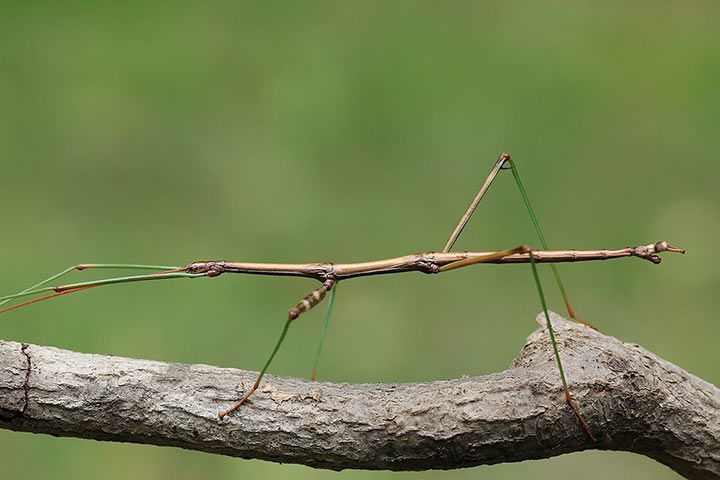
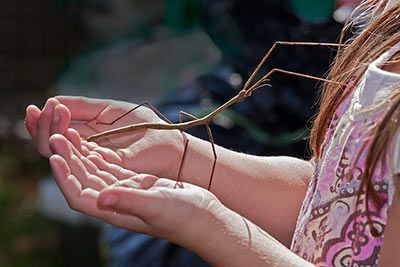
Stick insects belong to the phasmid family and resemble small branches. In the wild, this unusual and unique body shape helps them blend in. Stick insects are not particularly active or fast creatures. After all, real branches typically cannot move on their own, only swaying in the wind.
What Do Stick Insects Do All Day?
The creatures crawl slowly with their slender legs and enjoy sitting on branches to munch on leaves. They are harmless, as they possess no venom and cannot bite. They molt several times throughout their lives, hanging upside down from the ceiling of their terrarium.
Pros and Cons of Stick Insects
When compared to a dog or a cat, stick insects may seem a bit dull at first, but they make fantastic and popular pets for a variety of reasons. For instance, they are suitable for allergy sufferers. They are ideal for calm individuals who enjoy observing. They also cater to those who may not have much experience in consistently and reliably caring for a pet. Additionally, they are perfect for anyone who dislikes walking a dog - or perhaps cannot do so. Moreover, they have minimal requirements for care.
Which Stick Insects Make Good Pets?
There are over 3,000 species of stick insects, with more than 300 kept as pets. The most popular include the Indian stick insect Carausis morosus, the Annam walking stick Medauroidea extradentata, and the Vietnamese stick insect Ramulus artemis. They typically grow to be 3-4 inches (8-11 cm) long. There are also giant stick insects, which not only reach impressive sizes of over 8 inches (20 cm) but some also shine in beautiful colors, such as turquoise.
How to Keep Them
Terrarium Size
At least 12 x 16 x 12 inches (30 x 40 x 30 cm) for 2 animals (W x H x D)
The terrarium should be at least three times the body length in height and twice the body length in width. This applies only to one animal. For two or more animals, additional space must be planned accordingly.
Humidity
In a typical home, the humidity level is around 40-60%, but stick insects require 60-70%. It is effective to mist the leaves in the terrarium with a spray bottle to increase humidity. It’s a good idea to get a small hygrometer to monitor/measure the levels.
Ventilation
Note: The terrarium must have ventilation to prevent mold from forming.
Temperature
The ideal temperature range is between 69.8-75.2 degrees Fahrenheit (21-24 degrees Celsius).
Do Not Allow Stick Insects to Multiply
Warning: Stick insects can reproduce rapidly. A female can lay 3-10 eggs each week, which hatch into young ones after 4-12 months. Over a few months, hundreds of babies can emerge. So, what happens next? Many owners find themselves overwhelmed and unsure of what to do. Animal shelters are often full, making it difficult for them to be well cared for there. What can you do? Regularly search the terrarium for eggs, remove them, and either freeze or boil them. The best option is to keep the sexes separate. Females are usually larger, have shorter antennae, and possess an ovipositor in their abdomen. Males are much slimmer, have long antennae, and lack an ovipositor.
What Do Stick Insects Eat?
Most stick insects prefer the leaves of blackberries, raspberries, privet, hawthorn, oak, rose, or ivy as their food. These can be collected from the wild but must be free from insecticides and herbicides. Simply cut a few fresh, young twigs and place them in a vase like flowers, then put it in the terrarium.
How to Handle Stick Insects Properly
It is best not to handle stick insects as they are very delicate creatures. However, sometimes it is necessary, for example, when you need to move them for cleaning the terrarium. You should not lift them by their fragile legs, as these can easily break or tear off. Instead, gently hold their body between your thumb and forefinger without applying pressure.
Did You Know?
The stick insect Eurycnema versirubra/versifasciata is fed special leaves in Asia, and a medicinal tea is made from its droppings.
Recommended Profile: